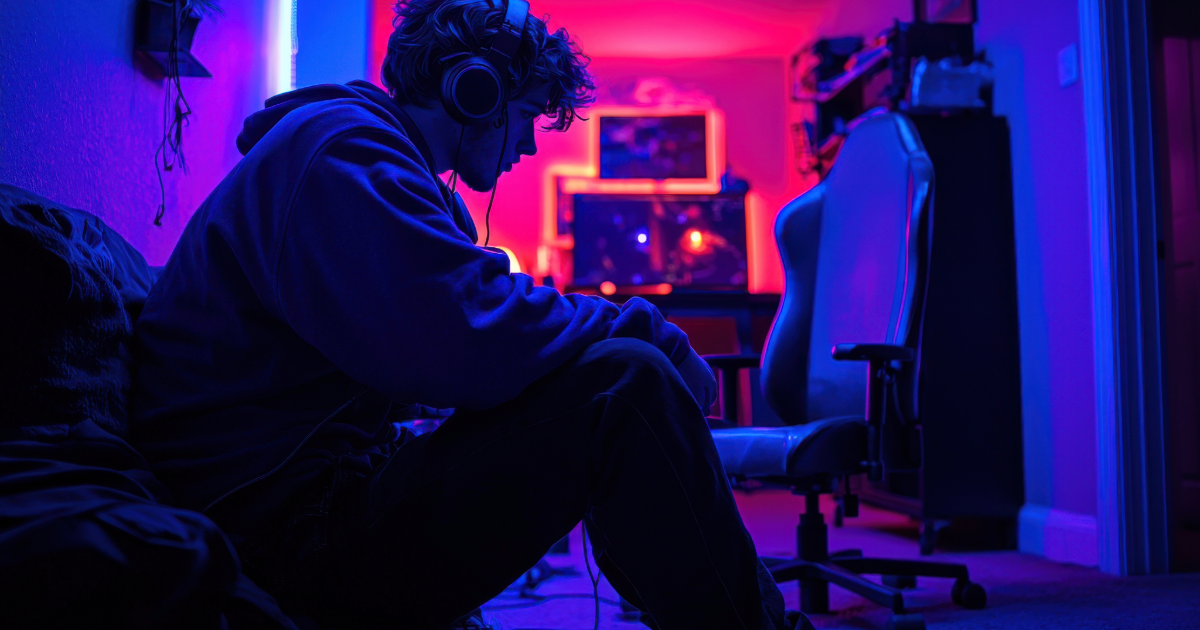
You finally have a free afternoon. No meetings. No errands. Just hours ahead of you, a game, and some long gaming sessions you’ve been waiting to dive into.
You lose track of time. You skip a few breaks. You think, “One more round” more than once.
When you finally log off, you feel like you’ve been unplugged from the wall.
This isn’t unusual. It’s the quiet crash that happens when long sessions outpace your recovery systems, even if you’re a casual gamer.
Endurance and Long Gaming Sessions Aren't Just for Pros
Most casual players assume “gaming endurance” only matters if you’re streaming, grinding, or competing. But longer play sessions; even calm, narrative ones, still ask a lot from your body and brain.
That kind of slow drain builds up quietly:
- Your shoulders stiffen and lock without you noticing
- Eye movement slows and screen flicker starts to wear on you
- Your blood sugar crashes from long gaps between food
- Your mental energy dips even if you're emotionally calm
What’s tricky is that it doesn’t always feel bad while you’re playing. You feel immersed. Engaged. Maybe even zoned in.
But the moment you stand up, the aftershock hits.

Weekend Play Needs a Recovery Plan
You don’t need a regimented routine. Just enough awareness to keep your system from redlining.
Here’s what helps:
- Switch controllers or input types partway through to reset your grip and hand posture
- Use visual resets every 90 minutes, step outside, close your eyes, or dim your screen
- Add protein or fat-based snacks to your setup, not just sugar or caffeine
- Keep a recovery tool on deck, one that helps circulation and soft resets without stimulants
- End your session with a clear boundary; change the room, wash your face, do something physical
Even one or two of these can change how you feel after hours of play.
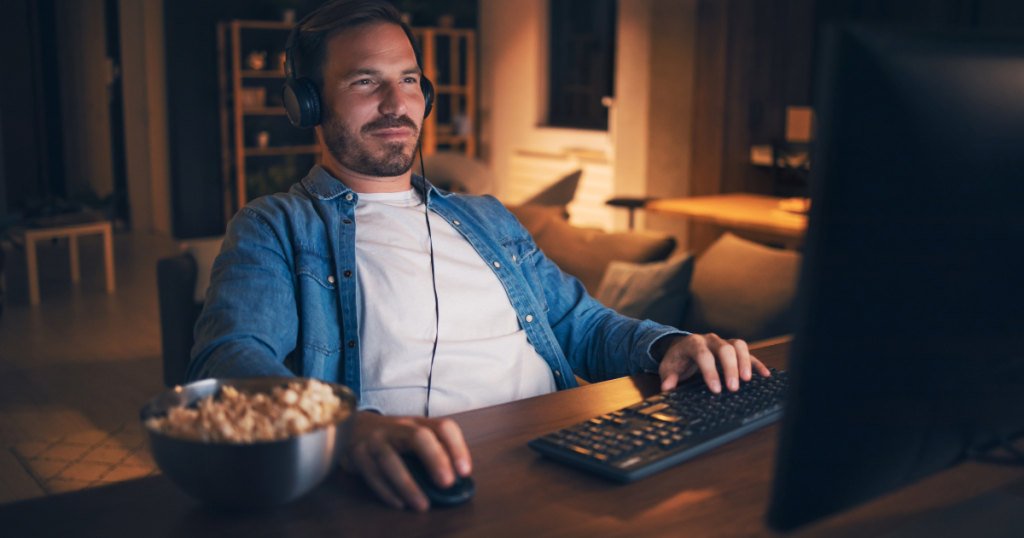
Long Play Shouldn’t Mean Next-Day Burnout
If your day off ends with soreness, brain fog, or a weird crash, the session probably overran your system’s buffer.
You’re not broken. You’re just under-supported.
Gaming endurance isn’t about high performance. It’s about staying well enough to actually enjoy your free time.
You put in the hours. Your body deserves to come with you.