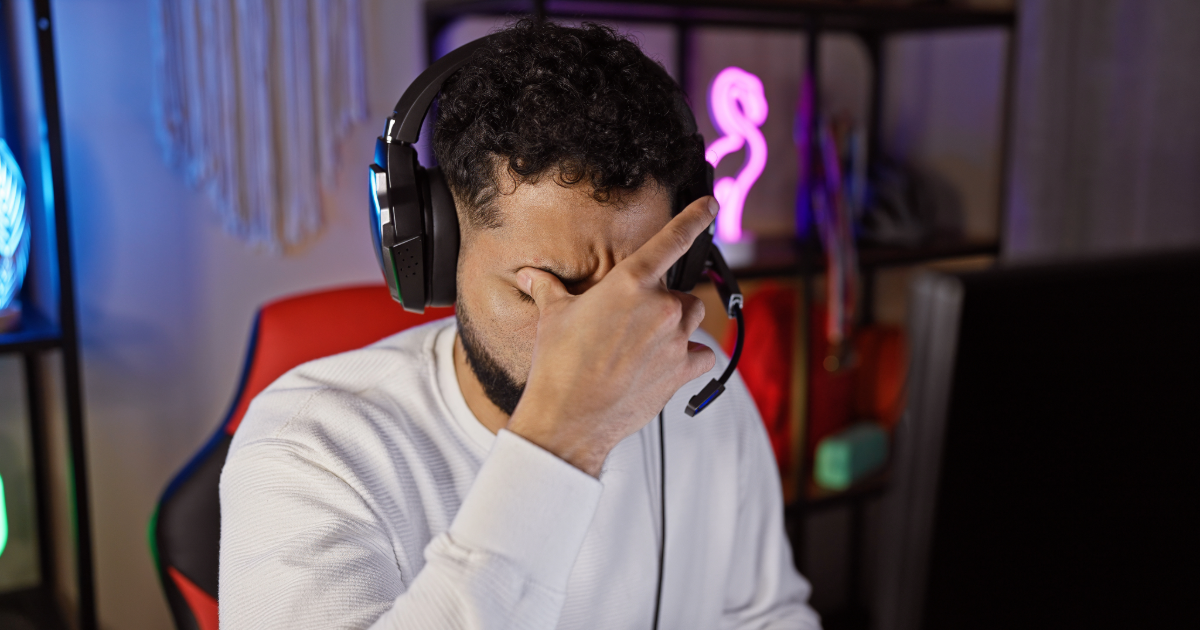
You sit down to play. You're not tired. You're not stressed. But for some reason, you can't lock in, and you struggle to focus. Your focus bounces around, your timing feels off, and the game doesn't feel as crisp as it should.
This isn't about reaction time or skill. It's about mental noise.
Distraction Isn't Always a Notification
A lot of casual gamers assume that "focus problems" just mean too many tabs open, too many texts coming in, or trying to play while multitasking. Sure, those things matter. But most of the time, the real issue is internal.
Here's what drains your ability to focus before you even hit the start button:
- Long workdays with low movement and constant input
- Low-key dehydration (especially if you drink coffee or energy drinks)
- A brain full of open loops and no off-ramp
- Inconsistent sleep schedules
- A lack of mental reset before trying to switch into gaming mode
It's not that you're doing something wrong. It's that your system doesn't know it's allowed to engage.
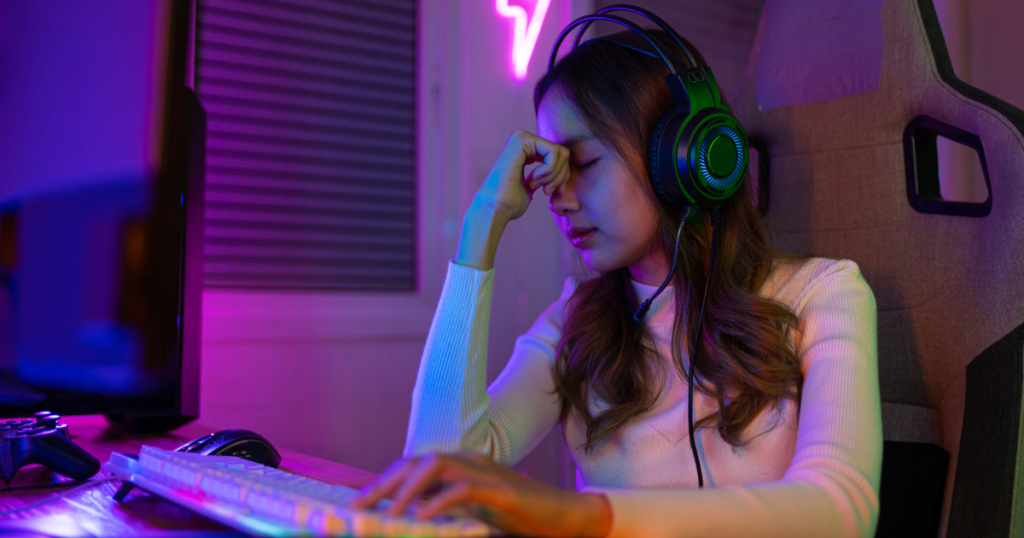
The Myth of "More Energy"
Most casual gamers reach for caffeine or sugar when they feel off. It's fast, familiar, and feels like a fix. But that usually makes things worse.
When your focus is scattered, the answer usually isn't more energy. It's cleaner inputs and clearer signals.
Instead of pushing harder, the goal is to get out of your own way.
How to Clear the Noise Before You Play
You don't need to meditate or do jumping jacks. You just need a short pattern interrupt that tells your brain, "We're shifting modes now."
Here's what works:
- Take 2–3 minutes to hydrate with something neutral (not sweet or stimulating)
- Look at something far away for 60 seconds — it resets your vision and attention
- Use a focus-support tool that doesn't spike or crash your system
- Close your eyes for 10 breaths, no timer, no rules
- Let your physical space change slightly; lighting, posture, or even sound
The goal isn't intensity. It's signal clarity.
When your brain gets the right inputs, your focus shows up on its own.
You Don't Need to Be a Grinder to Care About Focus
This isn't about optimization. It's about feeling like yourself when you play.
Games feel better when your mind's available. When you're not fighting your own fog. When your attention feels like it's working with you, not against you.
If you've been chasing better performance without realizing your focus is the real bottleneck, now you know where to start.