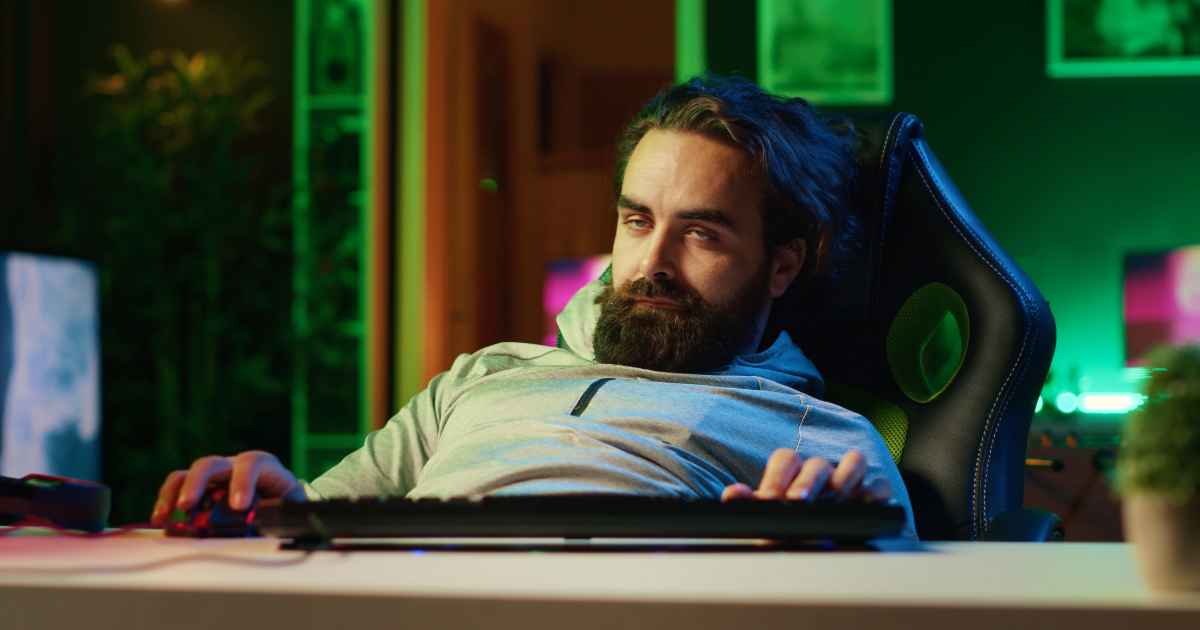
You sit back after a session and something just feels... off. Not broken. Not dramatic. Foggy, wired, heavy, or weirdly restless. Just generally feeling off after gaming.
You didn’t overdo it. You didn’t rage quit. You weren’t even playing that long.
So what’s the deal?
It might not be the game. It might be what’s happening to your system after the game stops.
When the Match Ends, Your System Doesn’t
Gaming pushes your body and mind in more ways than people give it credit for. Even casual sessions activate key systems:
- Visual overload from constant motion, flashes, and interface changes
- Sustained posture tension, especially in your shoulders, back, and neck
- Light exposure and cognitive focus that suppress natural wind-down signals
- Mild nervous system activation during high-intensity moments
- Irregular breathing and reduced hydration
The session ends, but your nervous system doesn’t get the memo.
That’s why you crash later. Or can’t sleep. Or wake up foggy and blame something else.
These Are Signals, Not Random Feelings
You might not realize your body is asking for recovery. But it is.
These are the flags:
- You can’t fall asleep even though you’re tired
- You feel low-key irritable the next morning
- Your shoulders or hands feel tense after even light play
- Your brain feels “full” or scattered the next day
- You keep reaching for caffeine without really thinking about it
It doesn’t take a 10-hour grind session to cause these symptoms. This can come from just a couple nights a week of play without any sort of reset afterward.
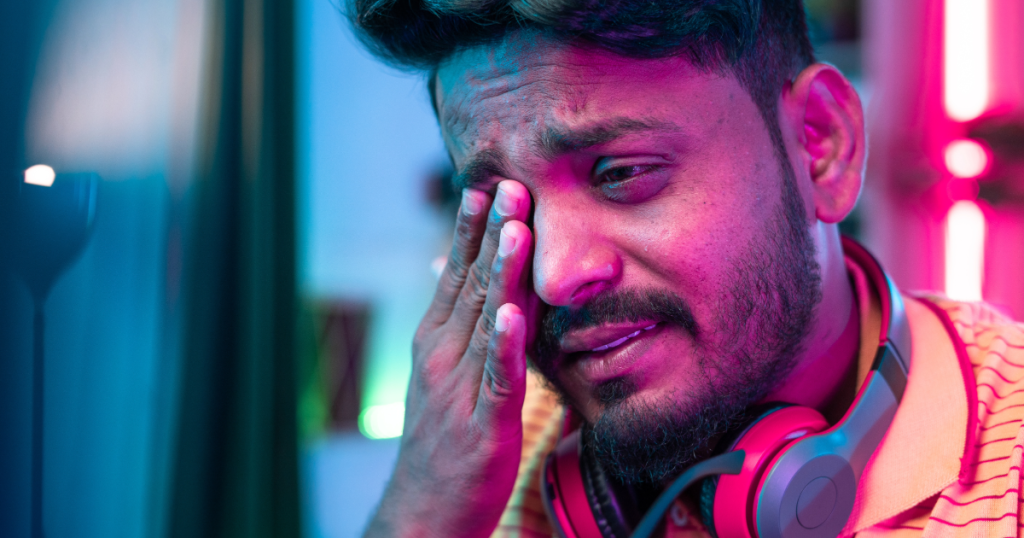
You Don’t Need a Routine. Just a Cooldown
Recovery doesn’t mean a wellness regimen. It means doing something—anything—that helps your system come back to neutral.
Here’s what helps, fast:
- Break the posture: stand up, shift light sources, walk to a different room
- Hydrate with purpose: something with electrolytes, not just plain water
- Support your calm state: a patch, wearable, or aid that tells your body it's okay to relax
- Reset your breath: a short breathing pattern can reset more than you think
- Avoid the scroll: don’t replace stimulation with more stimulation
If you game at night, this matters even more. The longer you delay your recovery, the worse your sleep quality will be—and the more that compounds over time.
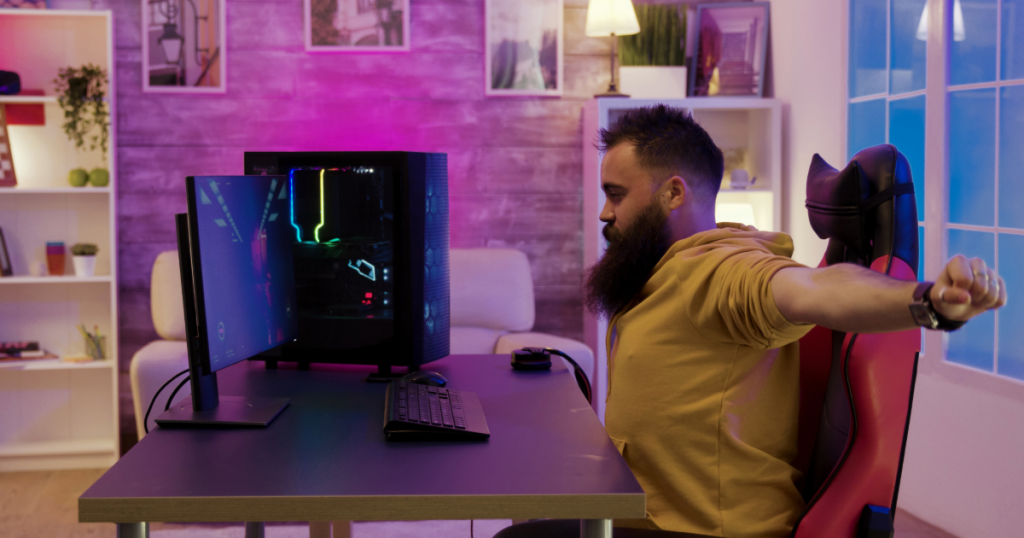
The Best Players Feel This Too
If you’re thinking, “This is just how I always feel,” that’s the point.
Recovery isn't about being elite. It’s about not feeling stuck in a low-energy loop from something that's supposed to be fun.
You play to relax, reset, or just enjoy yourself. If your system feels worse afterward, something’s not adding up. A small recovery window fixes that.
And once you’ve felt the difference, you won’t want to go back.