
You don’t need to be playing ten hours a day to feel wrecked after gaming. Even a few focused rounds or a casual weekend session, gaming fatigue and tension can leave you mentally foggy, physically stiff, or oddly drained. If you’ve felt that sluggish feeling post-play and chalked it up to “just being tired,” there’s probably more going on.
It’s not about how much you game. It’s about how you game, and what happens when you stop.
Micro Fatigue Is Real (Even If You’re Casual)
Here’s what a lot of players experience, even without marathon sessions:
- Shoulder and neck tightness from leaning forward
- Slight headaches or eye strain from hours of focus
- Frustration that builds quietly after losses
- A wired-but-tired feeling that messes with sleep
- Low motivation the next day, even outside of gaming
These are signs your system is tapped. Not broken. Just under-supported.
Why It Happens (And Why It’s Not Just "Normal")
Gaming pulls you into a high-focus, low-movement zone. That drains physical and mental resources in subtle ways:
- Your eyes and brain stay locked on fast visual changes
- Your posture tightens over time, especially if you’re leaning or reaching
- Your nervous system stays engaged, even after the match ends
- You may skip hydration, breaks, or food while playing
It’s not dramatic. But over a few hours, it adds up. And if you’re gaming often, it quietly wears you down.

How to Recover Without Overhauling Your Life
You don’t need a six-step cooldown or a pro-level stack. You just need a few smart add-ons that help your system come back to baseline.
Here’s what makes the biggest difference:
- A hydration formula that replenishes what your body loses when you’re locked in
- A wearable or patch that calms tension and helps you relax faster after sessions
- Stretching or light movement especially for your hands, back, and neck
- Low-stim tools that support sleep if you play at night
- A break ritual: something simple that signals to your brain “we’re done now”
Choose one or two and make them part of your habit. Not because you’re trying to optimize everything, but because you’ll feel better when you do.
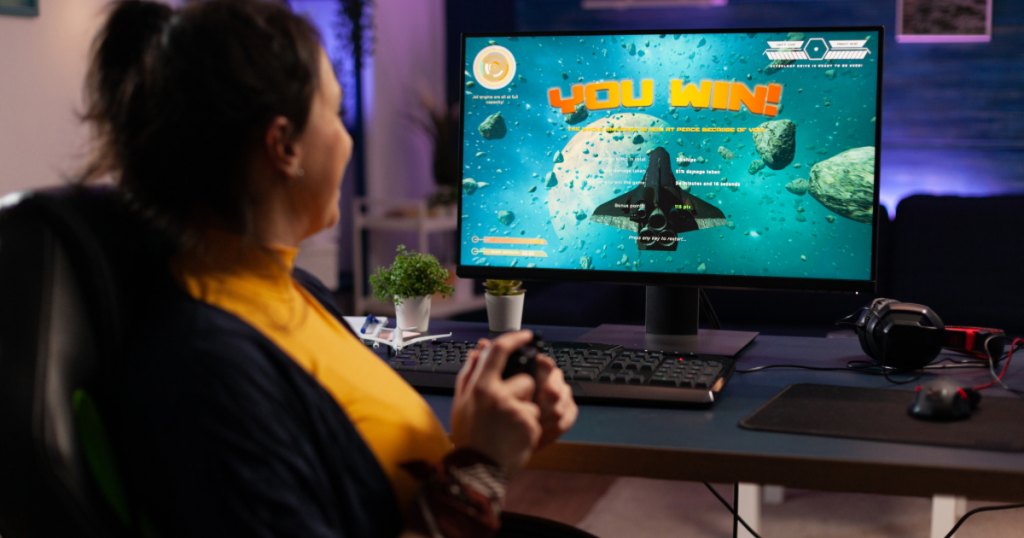
If You Want to Game Often, You’ve Got to Recover Often
The more you love gaming, the more important recovery becomes. It’s not just about high performance. It’s about not feeling wrecked every time you play. Even casual sessions deserve a cooldown.
You’re not doing this to get a competitive edge. You’re doing this so you can enjoy your next session just as much as your last one.