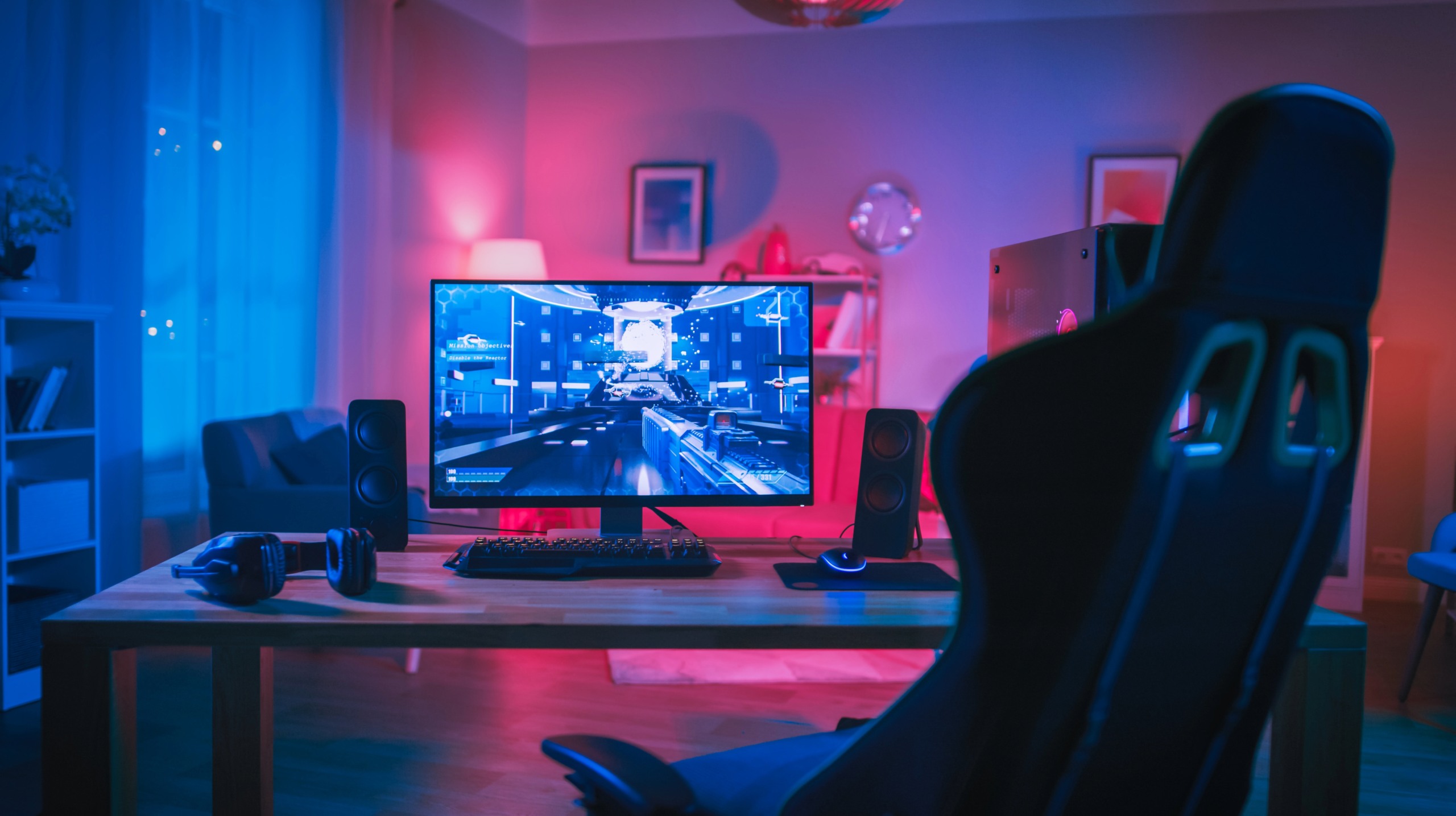
Gaming isn’t just about skill and endurance. Gaming recovery is what keeps you sharp, healthy, and performing at your best. Whether you’re grinding for hours, competing in esports tournaments, or streaming daily, neglecting recovery can lead to burnout, sluggish reflexes, and long-term physical strain.
Why Gaming Recovery Matters
- Faster Reflexes: Fatigue slows down reaction time and decision-making.
- Reduced Risk of Injury: Gaming-related injuries (wrist pain, eye strain, back discomfort) can become long-term issues without proper recovery.
- Sustained Mental Sharpness: Recovery improves cognitive function and prevents brain fog.
- Longevity in Gaming: Just like athletes need recovery to maintain peak performance, gamers need to reset to avoid burnout and fatigue.
“Elite performance isn’t just about pushing harder. It’s about recovering smarter.”
This guide will cover active recovery, sleep optimization, injury prevention, and mental resets to help you stay at the top of your game.
Sleep Optimization: The Ultimate Gaming Recovery Tool
How Sleep Impacts Gaming Performance
- Reaction Time Drops: Sleep deprivation can reduce reaction speeds by up to 20%.
- Memory Consolidation: The brain processes and strengthens muscle memory during deep sleep.
- Energy Restoration: Sleep is when your body repairs itself and restores stamina.
How to Improve Sleep Quality for Recovery
- Stick to a Schedule: Sleep at the same time daily to regulate circadian rhythms.
- Limit Blue Light Exposure: Use blue light filters or gaming glasses after sunset.
- Optimize Your Sleep Environment: Keep the room dark, cool, and free from noise distractions.
- Avoid Stimulants Before Bed: Caffeine and energy drinks late in the day disrupt sleep cycles.
Quick Takeaway: Good sleep = faster reaction time, better memory, and sustained gaming performance.
Common Gaming-Related Injuries & How to Avoid Them
Wrist Pain (Carpal Tunnel)
- Cause: Repetitive strain from mouse/keyboard use.
- Prevention: Perform wrist stretches, use an ergonomic wrist rest, and adjust desk height.
Back & Neck Pain
- Cause: Poor posture and prolonged sitting.
- Prevention: Use a supportive chair, adjust monitor height, and incorporate lumbar cushions.
Eye Strain
- Cause: Staring at screens for extended periods.
- Prevention: Follow the 20-20-20 rule (every 20 minutes, look 20 feet away for 20 seconds), adjust screen brightness, and consider gaming glasses.
Shoulder Tension
- Cause: Hunched-over gaming posture.
- Prevention: Regular shoulder stretches, maintain proper posture, and take micro-breaks.
Active Gaming Recovery Exercises
- Hand & Wrist Stretches: Improves blood circulation and prevents stiffness.
- Neck & Shoulder Mobility: Relieves tension from prolonged gaming sessions.
- Posture Correction Drills: Helps maintain a neutral spine position.
Quick Takeaway: Incorporating small movement breaks prevents injuries and improves gaming longevity.
Mental Recovery: Avoiding Burnout & Resetting Focus
Signs of Gaming Burnout
- Loss of Motivation: Feeling disengaged from gaming.
- Mental Fatigue: Struggling to focus during long sessions.
- Irritability & Frustration: More frequent mistakes and frustration with gameplay.
Mental Reset Strategies
- Meditation & Breathing Techniques: Helps regain clarity and composure.
- Take Purposeful Breaks: Step away from the screen and engage in a different activity.
- Hydration & Nutrition: Proper fuel helps cognitive recovery.
- Listen to Your Body: If fatigue sets in, it’s time to reset.
Quick Takeaway: Mental recovery ensures you stay sharp and enjoy the game without exhaustion.
Gaming Recovery Tools & Techniques
Recovery Tools for Gamers
- Compression Gloves: Improves circulation and reduces wrist strain.
- Gaming Glasses: Filters blue light to reduce eye strain.
- Massage & Foam Rolling: Eases muscle tension after prolonged gaming sessions.
- Hydrotherapy & Heat Therapy: Helps relieve stiff joints and sore muscles.
Cooling Down After Long Sessions
- Progressive Relaxation Techniques: Helps unwind after high-intensity gaming.
- Post-Gaming Stretches: Prevents stiffness and soreness.
- Music & Guided Meditation: Aids in mental decompression.
Quick Takeaway: Recovery isn’t just about resting; it’s about using the right tools to stay healthy and perform better.
Pro Gamer Recovery Hacks & Final Tips
How Top Players Recover Effectively
- Pre-Game Warmups & Post-Game Cooldowns: Just like athletes, pros use structured recovery.
- Prioritizing Rest & Nutrition: Fueling properly for faster mental and physical reset.
- Using Wearable Tech for Recovery: Devices like heart rate monitors help track stress levels.
Checklist for Gaming Recovery
- Get 7-9 hours of quality sleep for optimal reaction time and mental clarity.
- Stretch hands, wrists, and shoulders regularly to prevent strain injuries.
- Use blue light filters or gaming glasses to reduce eye fatigue.
- Take breaks and reset mentally with meditation or breathing exercises.
- Hydrate and fuel your body with recovery-supporting foods.
- Invest in ergonomic gear for long-term health and comfort.
Final Thoughts
Elite gamers don’t just focus on playing; they focus on staying in the game for the long run. By implementing better sleep habits, injury prevention techniques, mental resets, and recovery tools, you can avoid burnout, stay sharp, and keep gaming at your best.
Game hard. Recover smarter. Stay in the fight.
Next Steps
- Want ergonomic gaming gear to help with recovery? Check out our Setup Guide!
- Looking for sleep & hydration supplements to improve focus? Visit our Exclusive Offers!