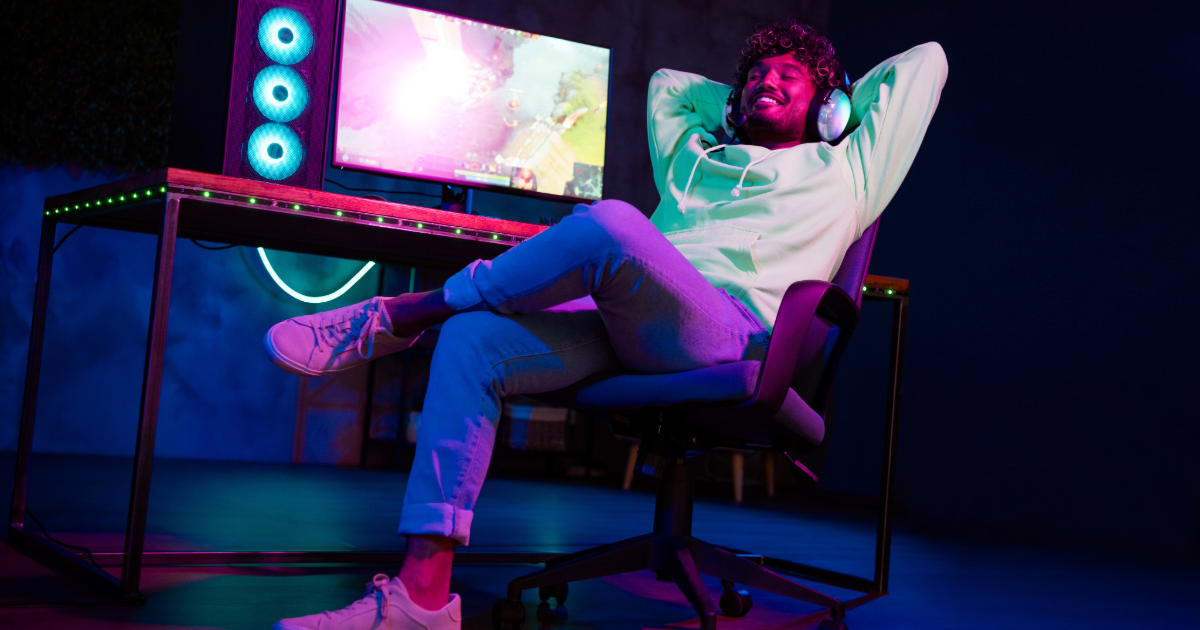
Gaming at a high level isn’t just about reaction time and strategy; it’s about how well you recover between sessions. Just as athletes use structured recovery techniques to maintain peak performance, gaming recovery requires proper rest, nutrition, and physical conditioning to avoid burnout and fatigue.
Most gamers focus on training, mechanics, and strategy, but few consider recovery as a key performance factor. Yet, esports professionals and endurance gamers alike recover like athletes to stay sharp over long gaming sessions and tournaments.
Let’s break down what gamers can steal from traditional sports recovery to enhance focus, endurance, and overall performance.
The Overlooked Importance of Recovery in Gaming
Signs You Need Better Recovery:
- Mental fatigue & brain fog: Feeling mentally drained, even after short sessions.
- Slower reaction times: Not as sharp in clutch moments.
- Hand & wrist discomfort: Stiffness, soreness, or early signs of repetitive strain.
- Sleep disturbances: Struggling to wind down after long gaming sessions.
- Burnout & lack of motivation – Feeling disengaged from gaming over time.
Just like athletes prioritize recovery to stay in peak condition, gamers must optimize their recovery routines to prevent long-term fatigue and maximize performance.
Physical Recovery: Avoiding Strain & Fatigue
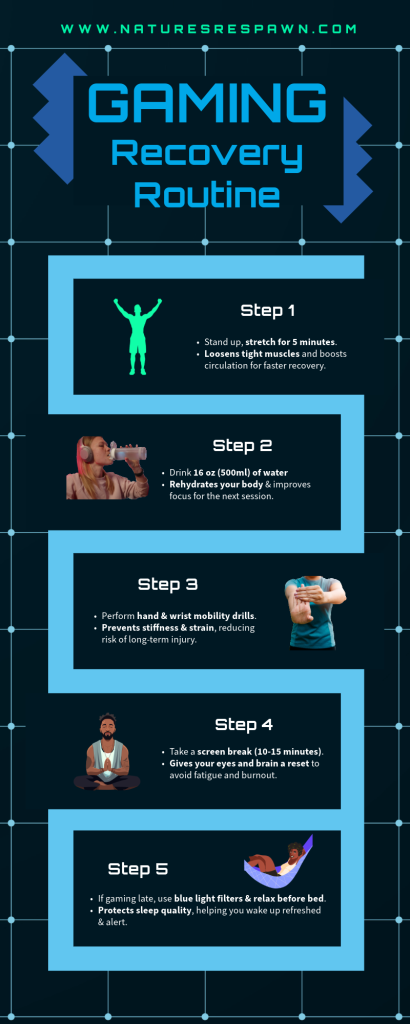
Athletes recover from intense workouts by managing muscle fatigue—gamers need the same approach for their hands, wrists, and back. Without proper recovery, injuries like carpal tunnel, wrist strain, and postural misalignment can develop over time.
Gaming Recovery Techniques:
- Hand & Wrist Stretches: Loosens tension from extended mouse and controller use.
- Posture Checks & Adjustments: Maintain a neutral spine and use lumbar support.
- Active Breaks: Stand up, stretch, or walk for a few minutes every hour.
- Massage & Compression Gloves: Improve circulation and reduce hand stiffness.
- Cold & Heat Therapy: Ice packs for inflammation, warm compress for relaxation.
Sleep & Mental Reset: The Hidden Gaming Advantage
Athletes follow strict sleep schedules for muscle recovery. Gamers need quality sleep to improve cognitive performance. Poor sleep negatively impacts reaction time, focus, and emotional regulation, increasing tilt and frustration.
Optimizing Sleep for Better Gaming Performance:
- Maintain a Consistent Sleep Schedule: Go to bed at the same time daily.
- Limit Blue Light Before Bed: Use blue light filters or gaming glasses.
- Create a Wind-Down Routine: Meditate, read, or listen to calm music to disconnect.
- Avoid Late-Night Caffeine & Sugar: Both can delay sleep onset and affect deep sleep cycles.
Nutrition & Hydration: Recover Like an Athlete
Athletes fuel their bodies for faster recovery, gamers need brain fuel to restore cognitive function and prevent sluggishness after long sessions.
Best Recovery Foods for Gamers:
- Omega-3 Fatty Acids: Found in fish, walnuts, and flaxseeds; supports brain function.
- Protein-Rich Meals: Lean meats, legumes, and eggs; helps sustain energy.
- Anti-Inflammatory Foods: Leafy greens, turmeric, and berries; reduces stress on the body.
- Hydration: Water and electrolyte-rich drinks to maintain mental clarity.
Avoiding junk food, excessive sugar, and dehydration prevents energy crashes and mental fatigue.
Mental Recovery: Avoiding Burnout & Gaming Fatigue
Top athletes take intentional mental breaks to avoid burnout; gamers should do the same.
Strategies for Mental Recovery:
- Mindfulness & Meditation: Helps reduce tilt and maintain focus.
- Screen-Free Breaks: Step away from the screen to let your brain reset.
- Rotation of Game Genres: Prevents fatigue from playing the same high-intensity game.
- Mental Conditioning Techniques: Visualization and breathing exercises improve resilience.
Burnout is one of the biggest threats to long-term gaming success. Building recovery habits helps sustain motivation and enjoyment over time.
The Future of Gaming Recovery: What’s Next?
Esports teams and gaming researchers are pioneering new recovery techniques to help players stay at peak performance longer.
Cutting-Edge Recovery Trends for Gamers:
- Wearable Tech for Posture & Hand Health: Smart gloves and ergonomic tracking devices.
- AI-Powered Cognitive Recovery Tools: Apps that track brain function and recommend rest periods.
- Personalized Nutrition & Hydration Plans: Custom recovery plans tailored to gaming performance needs.
Recovery science is becoming a bigger part of esports and gaming culture. Gamers who prioritize recovery will outlast and outperform those who don’t.
Next Steps:
- Want to optimize your recovery routine? Check out our Gaming Recovery Blueprint!
- Looking for ergonomic gear to reduce strain? Explore our Gaming Setup Guide!